Insulated vs. Non-Insulated Garage Doors - Which One Is Right For You?
You just pulled into your garage on a freezing winter night. When you step out of the car, are you shivering — or comfortable? If you have a non-insulated garage door, that cold is just the beginning of the problem.
From rising energy bills to damaged stored belongings, the garage door you choose has real consequences. Here’s what Door Systems Inc. wants you to know before you decide.
What's the Difference Between Insulated and Non-Insulated Garage Doors?
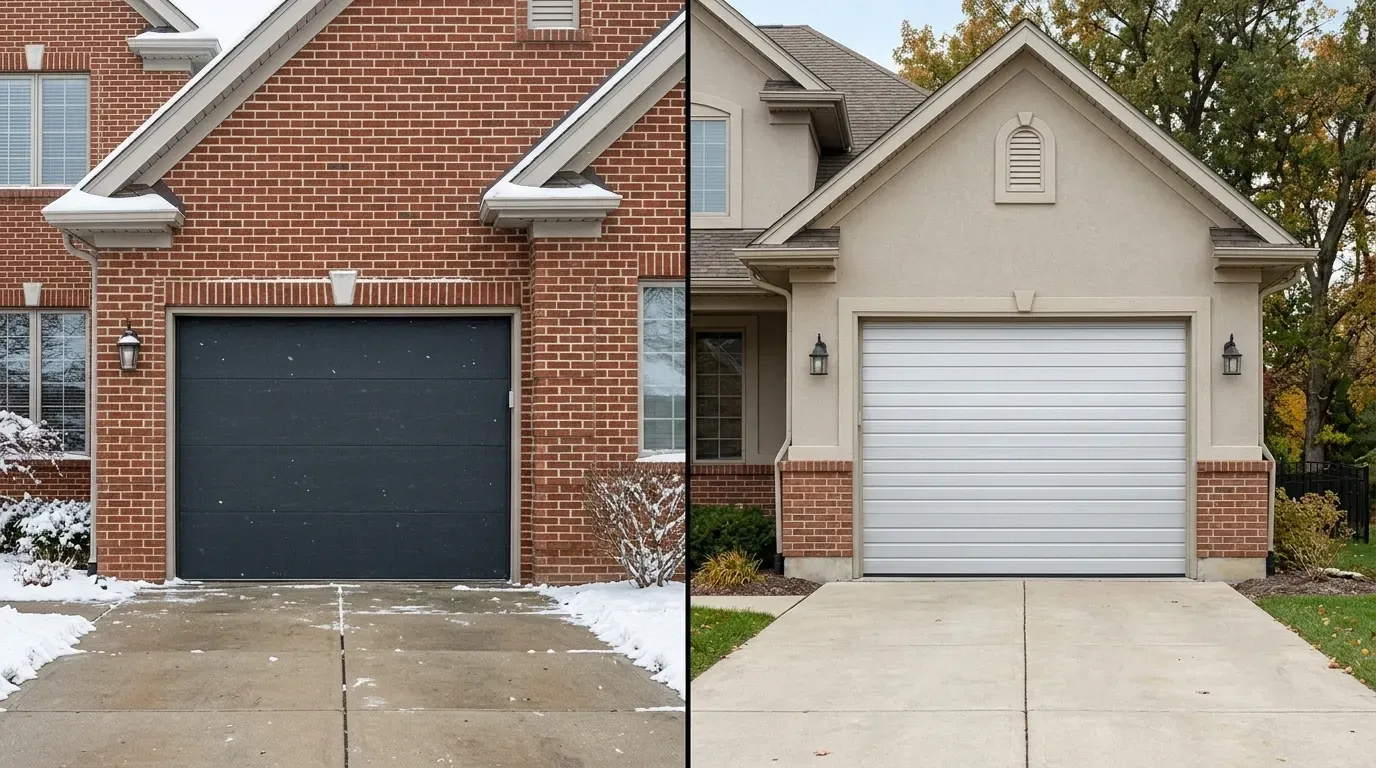
It comes down to layers. Insulated
garage doors sandwich foam — polyurethane or polystyrene — between metal panels. Non-insulated doors are a single sheet of steel or aluminum.
That single difference affects energy efficiency, noise, durability, and long-term cost.
When Does an Insulated Garage Door Make Sense?
Attached Garages
If your garage shares a wall with your home, heat and cold travel right through it. An insulated door acts as a thermal buffer — your furnace works less in winter, your AC fights less in summer.
Noise Reduction
Insulated doors are noticeably quieter when opening and closing. Early-morning departures won’t wake the rest of the household.
Durability
The extra layers add rigidity. Insulated doors hold up better against dents from bikes, basketballs, and everyday bumps.
Protecting What You Store
Paint, cleaning chemicals, camping gear, rubber-sealed equipment, and batteries all degrade faster with temperature swings. An insulated door helps protect those investments year-round.
When Is a Non-Insulated Door Fine?
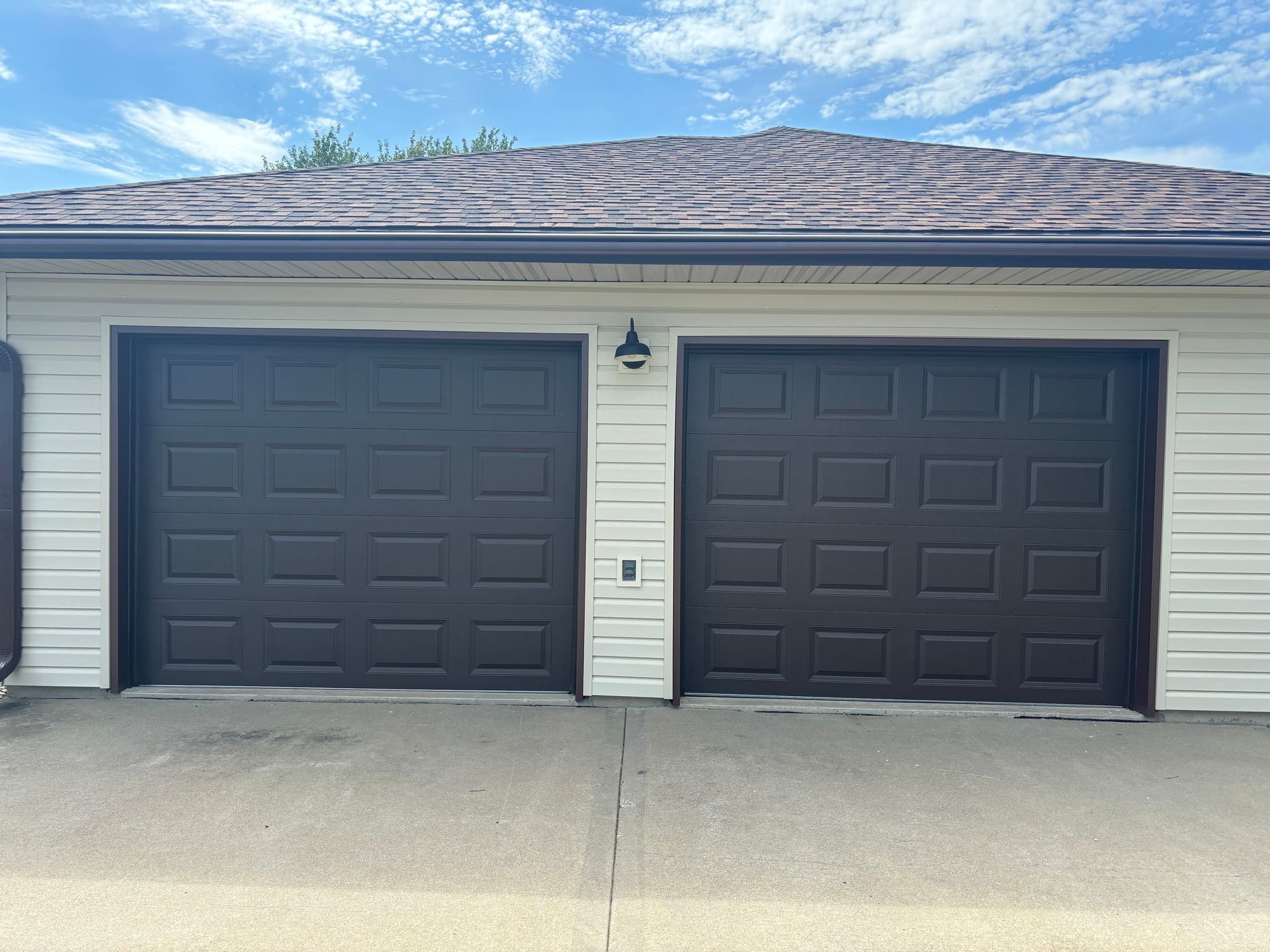
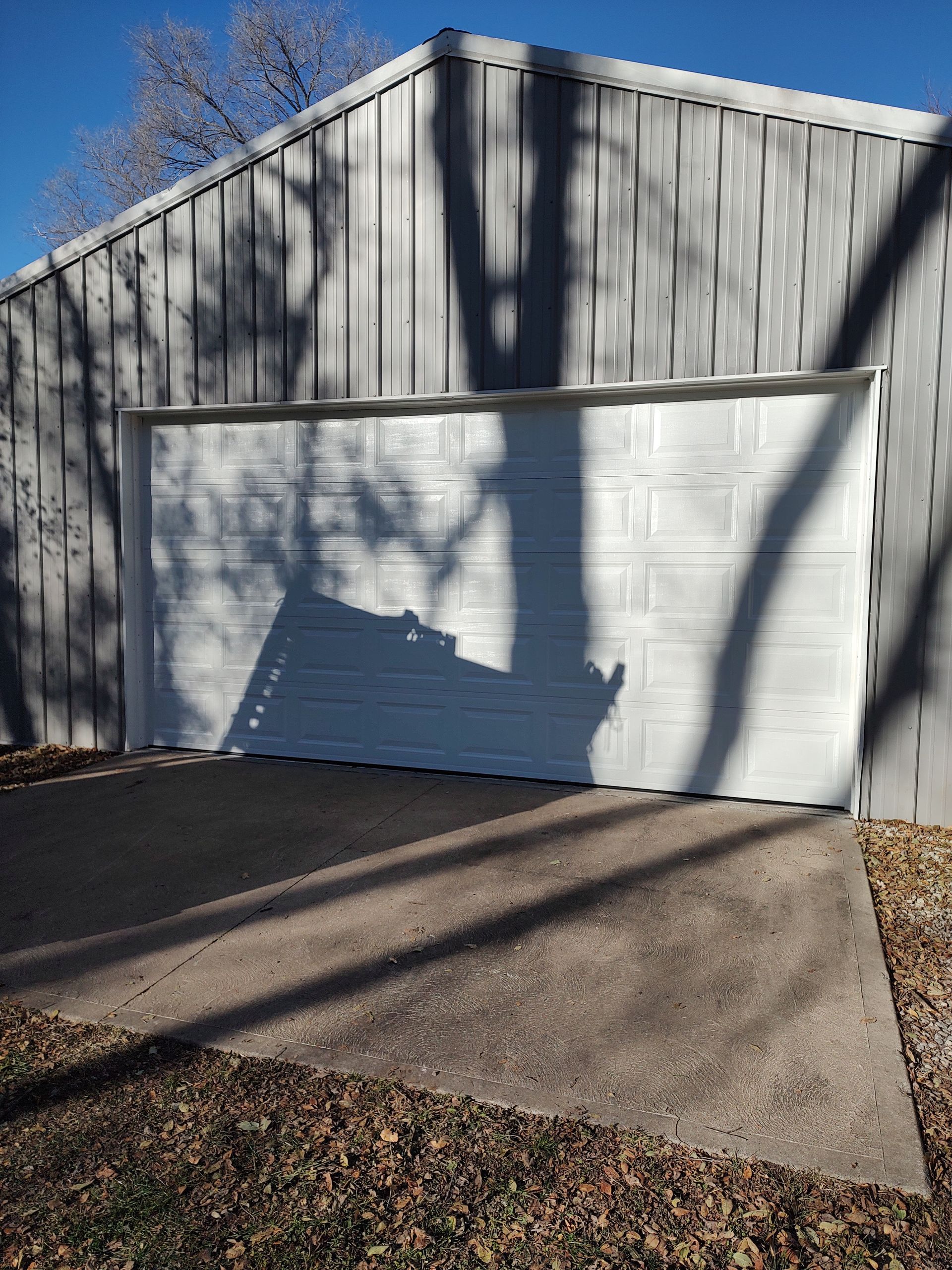
If your garage is detached and you’re not heating or cooling it, there’s no conditioned air to preserve — insulation won’t move the needle. Non-insulated doors cost less upfront, weigh less (reducing strain on the opener), and handle basic unheated storage just fine.
That said, if you heat or cool a detached garage — say, as a workshop — insulation becomes worth considering there too.
Are Insulated Garage Doors Worth The Money?
It’s no surprise that energy costs are a huge concern for homeowners, as are the many ways to reduce those costs. From sealing windows to adding insulation to attics and more, most people don’t think about their garage door, often the largest single entry into your property. Newly installed insulated garage doors may have a higher upfront price, but the long-term benefits often outweigh the initial investment.
Insulated doors offer substantial energy savings, providing up to a 20% reduction in annual energy bills.
There are additional benefits to insulated garage doors if you store things such as paint, cleaning chemicals, camping gear, outdoor equipment and such in your garage. Temperature variations can, over time, wear down the lifespan of batteries and the elasticity of rubberized items like seals and tires, and can also cause issues with stored chemicals, paints, etc.
Do You Need an Insulated Garage Door?
We believe that in most situations, an insulated garage door is a smart investment but if you are still unsure, here is an easy set of questions to consider:
- Do you have an attached garage?
- Do you live in an area with extreme temperature variations or consistent extreme temperatures?
- Do you use your garage as a workspace or keep pets in it while you are away?
- Are you planning to sell your home within the next 10 years?
If you answered YES to two or more questions, an insulated garage door is not only a convenient upgrade but a smart choice. Not only do insulated garage doors reduce your energy costs but they also protect investments in other products and improve the overall value of your home!
How to Insulate Your Garage Door
As with any upgrade, the materials involved matter! When you are ready to get an insulated garage door installed, understanding the options is essential to making the best choice.
Polyurethane and polystyrene are common options, with polyurethane providing superior insulation and durability with a higher R-value. Making sure your choice includes good weather sealing around the door edges is also an important consideration to further maximize the benefits of your investment.
What If You Can’t Afford a New Garage Door Right Now?
Short-term DIY options — insulation blankets, insulation kits, and weather stripping — can take the edge off in the meantime. Just go in with realistic expectations: these options fall short in effectiveness and durability compared to a purpose-built insulated door. Incorrect installation can also damage your existing door or frame.
If the upgrade is the goal, a low-interest home improvement loan is worth exploring while you save.
So Are Insulated Garage Doors Worth It? Absolutely!
Yes — for most homeowners, absolutely. The higher upfront cost pays back through lower energy bills, a quieter and more comfortable home, better protection for stored items, and improved resale value.
Get a Free Quote for Insulated Garage Door Installation in Kansas City
Ready to upgrade? Door Systems Inc. specializes in insulated garage door installation across Kansas City. Our experienced team will walk you through every option and find the right fit for your home and budget.
Frequently Asked Questions
Are insulated garage doors worth the money?
Yes. Insulated garage doors can reduce annual energy bills by up to 20%, offer better durability and quieter operation, and improve your home’s resale value — making the higher upfront cost worthwhile for most homeowners.
What is a good R-value for a garage door?
For attached garages in areas with notable temperature swings, aim for R-12 or higher. Polyurethane-filled doors typically achieve higher R-values than polystyrene options.
Can I add insulation to my existing garage door?
Yes. DIY kits, insulation blankets, and weather stripping are available, but they’re less effective and durable than a purpose-built insulated door. Improper installation can also damage your existing door or frame.
Does garage door insulation actually save energy?
For attached garages, yes — insulated doors can reduce annual energy costs by up to 20% by limiting heat transfer through the shared wall between your garage and home.