Garage Door Opener vs. Springs: Why the Opener Isn’t Enough
Many homeowners assume that if their garage door opens and closes with the push of a button, the system is working exactly as it should. But that’s a dangerous misconception. While your opener plays an important role, it’s not designed to do the heavy lifting. When springs fail, even the best garage door opener repair won’t solve the real problem.
Understanding how your system works and recognizing the signs of a broken Garage Door spring can save you from costly damage and serious safety risks.
The Misconception: The Motor Does All the Work
It’s easy to think that your garage door opener is doing all the work. After all, it’s the component you see in action every day. But in reality, the opener is the brain, not the brawn.
Your garage door springs are responsible for counterbalancing the weight of the door, which can often range from 150 to 400+ pounds. When properly functioning, the springs make the door feel almost weightless. This allows the opener to simply guide the door along its track rather than lift it entirely.
When a spring fails, that balance disappears. Suddenly, the opener is forced to lift the full weight of the door, something it was never designed to do. This is why relying solely on garage door opener repair without addressing the springs leads to bigger issues down the line.
How Garage Door Springs Actually Function
Garage door springs are the unsung heroes of your entire system. Without them, your opener would struggle, or fail entirely, under the weight of the door.
Torsion Springs vs. Extension Springs
When discussing torsion vs. extension springs, it’s important to understand the difference so you can identify what system you have:
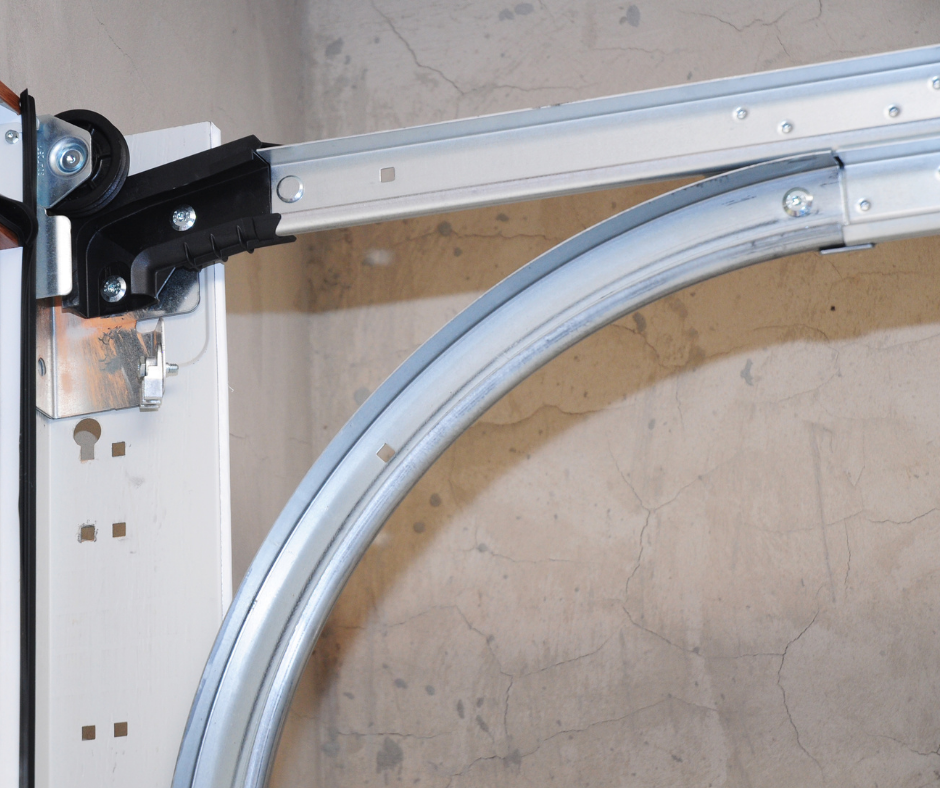
1.Torsion Springs are mounted above the garage door and use torque to lift it. These are more common in modern systems and provide smoother, more controlled movement.
2. Extension Springs are located along the sides of the door and stretch and contract to assist with lifting.
Both types serve the same purpose, counterbalancing the door, but they operate differently and have different safety considerations.
3. The Cycle Lifespan
Garage door springs don’t last forever. Most are rated for about 10,000 cycles, with one cycle equaling a full open and close of the door.
Over time, wear and tear take their toll. Factors that contribute to spring failure include:
- Metal fatigue from repeated use
- Rust buildup that weakens the coils
- Extreme Kansas City temperature fluctuations
Eventually, this wear leads to a broken garage door spring, often without warning. When that happens, immediate garage door spring replacement is necessary to restore safe operation.
What Happens When You Rely on the Opener Alone?
Trying to operate your garage door with a broken spring is one of the fastest ways to create expensive damage. While garage door opener repair might seem like the solution, it’s often just treating the symptom, not the cause.
Here’s what can happen:
Motor Burnout
Your opener is forced to work far beyond its intended capacity, leading to overheating and eventual failure.
Stripped Gears
Many
openers use plastic internal gears that can quickly shred under the strain of lifting a dead-weight door.
Snapped Cables
The added tension can cause lifting cables to fray or snap, creating even more costly repairs.
Ignoring the need for garage door spring replacement doesn’t just affect performance; it can compromise the entire system.
H2 Warning Signs Your Springs Are Failing (Before They Snap)
Recognizing early warning signs can help you avoid a complete system failure and reduce the need for extensive garage door opener repair.
H3 The Visual Gap
One of the clearest indicators of a broken garage door spring is a visible gap in the coil, typically around two inches. This means the spring has already snapped and is no longer doing its job.
H3 The Heavy Door Test
If you’re wondering how to tell if a garage door spring is broken, try this simple check:
Disconnect the opener using the emergency release cord and attempt to lift the door manually. If it feels extremely heavy or won’t budge, the springs are likely no longer functioning.
H3 Strange Noises
Unusual sounds are another major red flag:
Loud “gunshot” noises (a spring snapping)
Straining or grinding from the opener
Jerky or uneven movement
These sounds often indicate a failing spring and should be addressed before further damage occurs.
H2 The Safety Risk: Why This Isn’t a DIY Project
Garage door springs are under extreme tension. In fact, they store enough torque to safely and efficiently lift hundreds of pounds. When handled improperly, that same stored energy can be incredibly dangerous.
Attempting garage door spring replacement without the proper tools, like professional-grade winding bars, puts you at serious risk of injury. Sudden releases of tension can lead to:
- Severe lacerations
- Broken bones
- Head or facial injuries
That’s why professional service is essential. Proper calibration ensures your system is balanced, safe, and operating as designed - something even experienced DIYers should not attempt.
At Door Systems, Inc., trained technicians handle garage door spring replacement with precision, ensuring your door operates smoothly and your opener isn’t under unnecessary strain.
Frequently Asked Questions about Garage Springs & Openers
It’s not recommended. Doing so forces the opener to lift the full weight of the door, leading to damage and potential safety hazards.
It’s not recommended. Doing so forces the opener to lift the full weight of the door, leading to damage and potential safety hazards.
Why did my garage door spring break suddenly?
Most breaks are due to normal wear and tear over time, often accelerated by rust or temperature changes.
Should I replace both springs if only one is broken?
Yes. Springs typically wear at the same rate, so replacing both ensures balanced performance and reduces future issues.
How much does garage door spring replacement cost vs. a new opener?
Garage door spring replacement is significantly more affordable than replacing an opener damaged by prolonged strain. Addressing the root issue early saves money.
How often should I lubricate my garage door springs?
It’s recommended to lubricate springs every few months to reduce friction and extend their lifespan.
Don’t Let a Broken Spring Destroy Your Garage Door Opener
A failing spring might seem like a minor issue, but it can quickly lead to major repairs if ignored. Instead of relying on repeated garage door opener repair, it’s critical to address the root cause with professional garage door spring replacement.
Don’t let a broken garage door spring compromise your safety or damage your system. If you’re noticing warning signs or simply want peace of mind, now is the time to act.
Browse our garage door opener repair services or contact Door Systems, Inc. today to schedule a professional inspection and keep your system running safely and efficiently.