How to Open a Garage Door That’s Frozen Shut in Winter (Without Breaking It)
When Missouri winters hit hard, the last thing you want is to be stuck at home because your garage door is frozen shut. In the Kansas City region, where freeze-thaw cycles, sudden ice storms, and snow accumulation are common, frozen garage doors are a seasonal frustration for homeowners and businesses alike.
Whether your garage door isn’t opening in cold weather, or your
garage door opener won’t work in the cold, knowing how to safely troubleshoot and prevent winter-related issues is key to your safety and peace-of-mind. Here's a locally-informed guide to keeping your garage moving—even when the temps dip into the 20s or lower.
Why Garage Doors Freeze Shut in Missouri
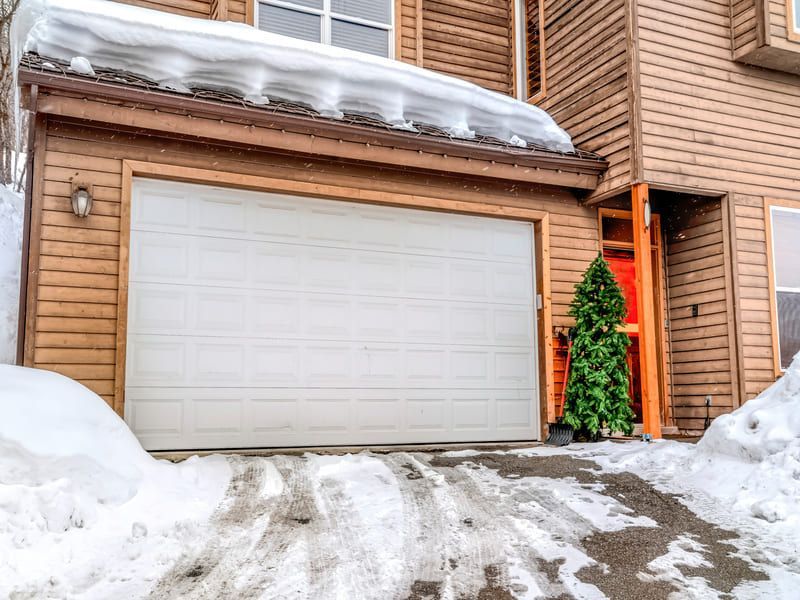
If you've ever wondered why your garage door freezing shut is a recurring winter problem, you're not alone. Kansas City and the surrounding Missouri area face unique climate conditions that make garage doors especially vulnerable to freezing.
Here’s why it happens:
Water pooling near thresholds: In many Missouri homes, concrete driveways and poor drainage allow water to pool right at the base of the garage door. When temperatures drop overnight, this water freezes under the rubber seal, bonding the door to the ground.
- Ice accumulation and snowpack: Snow that melts during the day can seep under the door and re-freeze overnight—especially during those back-and-forth freeze/thaw events that Missouri is known for.
- Contraction of metal components: Cold air causes metal tracks, rollers, and springs to contract and stiffen, making it harder for the opener to do its job.
- Cold-thickened lubricant: Standard lubricants thicken in low temperatures, putting more strain on the motor and increasing resistance.
The result? Your garage door won’t open in the cold, or your garage door opener doesn’t work in winter—making it a challenge to get to where you need to be!
How to Safely Open a Frozen Garage Door
Don’t panic—or force anything that can do damage to your door or opener. Here’s a step-by-step approach to safely opening your frozen garage door without damaging the opener, the door, or yourself.
Step 1 – Stop and Assess the Situation
First, stop pressing the opener button. Repeated attempts can burn out the motor or strip the gear.
- Check the wall control panel and ensure the door isn’t locked.
- Inspect for ice buildup along the threshold or signs the bottom seal is frozen down.
Step 2 – Disengage the Opener and Try Manual Operation
Pull the red emergency release cord to disconnect the opener from the door. Gently try lifting the door by hand.
If it won’t budge, the door is likely frozen at the seal. If it moves a little, the issue may be the opener or stiffened components.
Step 3 – Clear Ice and Snow at the Base
Carefully remove snow and ice from the outside and inside of the door’s base. Use:
- A plastic scraper or snow shovel
- Ice melt that’s safe for garage door seals (avoid rock salt—it can corrode metal)
Be gentle with the rubber seal—it can tear easily when stiff and brittle.
Step 4 – Apply Heat to the Seal or Track
Use one of these safe thawing methods:
- A hair dryer or heat gun (on low) to melt ice at the threshold
- A space heater aimed toward the bottom corner
- Pour warm (not boiling) water across the seal, then immediately wipe it dry to prevent refreezing
⚠️ Avoid aiming direct heat at springs or electronics—sudden temperature shifts can crack components.
Step 5 – Attempt to Open and Re-Engage Opener
Once the seal is free and the door lifts smoothly by hand:
- Reconnect the opener using the emergency release cord
- Try operating it via remote or wall switch
Still sluggish or stuck? It may be time for a garage door tune-up or cold-weather adjustment.
How to Prevent Your Garage Door from Freezing Shut Again
Being locked out of your garage and unable to use your car shows you that dealing with a frozen garage door opener once is enough. Here’s how Kansas City homeowners can prevent the problem from coming back.
✅
Clear Snow and Drainage
- Keep the area in front of the door clear of snow, ice, and standing water
- Regrade or install drains if water tends to collect at the base
✅
Lubricate With Cold-Weather-Ready Products
- Use silicone-based lubricant on rollers, tracks, and hinges—especially in late fall
- Avoid petroleum-based lubes, which thicken in the cold
✅
Exercise the Door
- Open and close the door manually a few times per week during freezing spells
- Movement prevents freezing and relieves stress on the opener
✅
Install a Raised Threshold Seal
- Rubber garage thresholds create a physical barrier to keep water from seeping underneath
- Especially useful for slab-on-grade Missouri garages
✅ Schedule Seasonal Maintenance
Have a professional
inspect your garage door system in late fall. A cold-weather service kit or opener calibration may be needed, especially for older systems struggling with Missouri’s winter extremes.
When to Call a Garage Door Professional
Some freeze-ups require more than elbow grease. Here’s when to skip DIY and call in the experts:
- Your opener still doesn’t work in cold weather even after the seal is cleared
- You notice a torn rubber seal, damaged spring, or off-track rollers
- Your garage door opener doesn’t work in the cold repeatedly each winter
- You suspect internal electronic or motor damage
At Door Systems Inc., our experienced team understands the specific challenges of Missouri winters—from concrete slab garages to humid air and freeze-thaw stress. We provide fast response across the
Kansas City area and offer winter-ready solutions to keep your garage reliable, safe, and damage-free.
Don’t Let a Frozen Door Ruin Your Day
Preventing a garage door from freezing shut is always better than dealing with one in the middle of a snowstorm or during frigid temperatures. A little prep—and knowing what to do when the door won’t budge—can save you money, time, and frustration, especially when you are late for work.
Need help? Call
Door Systems Inc. for expert, local support in keeping your garage door working smoothly all winter.
Frequently Asked Questions
1. Why won’t my garage door opener work in cold Missouri weather?
Cold temperatures can stiffen lubricants, contract metal components, and cause the opener motor to work harder. If it's older or not cold-weather rated, it may fail to engage in low temps.
2. What can Kansas City homeowners do to prevent a garage door from freezing shut?
Keep the threshold clear, lubricate key components with silicone, and install a threshold barrier. Consider annual maintenance in fall before the freeze sets in.
3. Can I use salt or boiling water to free a frozen garage door seal?
Avoid salt—it can corrode your hardware. Boiling water isn’t recommended; it may shock and crack parts. Use warm water or heat tools instead.